

Why ESD Flooring is Essential for Cleanrooms in Malaysia
In industries like electronics manufacturing, pharmaceuticals, and medical device production, even a tiny spark of static electricity can cause catastrophic damage. That’s why ESD (Electrostatic Discharge) flooring is a non-negotiable requirement for cleanrooms in Malaysia.
Without proper static control, businesses risk:
- Damaging sensitive electronics (e.g., semiconductors, microchips)
- Violating ISO/GMP cleanroom standards
- Increased fire hazards in flammable environments
- Higher defect rates due to dust attraction
This guide explains why ESD flooring matters, where it’s used, and how to choose the best ESD flooring in Malaysia.
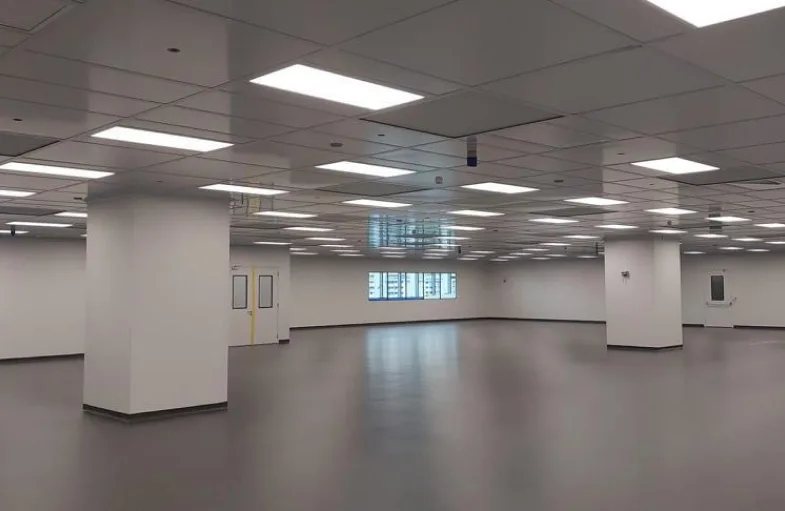
What is ESD Flooring?
ESD flooring (also known as anti-static flooring) is a specially engineered floor system that safely dissipates static electricity. Unlike regular floors, it contains conductive materials (carbon, copper) or static-dissipative properties to prevent harmful charge buildup.
How Does ESD Flooring Work?
- Conductive Flooring → Directly grounds static charges (best for high-risk areas).
- Dissipative Flooring → Slows static discharge (ideal for sensitive electronics).
- Static-Control Coatings → Epoxy or polyurethane layers that provide an anti-static finish.
✅ Key Benefit: Prevents ESD damage, fires, and contamination in Malaysian cleanrooms.
Why is ESD Flooring Important for Cleanrooms?
Static electricity can build up simply through walking, equipment operation, or material movement. Without proper control, these static discharges may:
- Damage sensitive electronic components and circuit boards
- Cause sparks that risk fire or explosion in hazardous environments
- Interrupt precision manufacturing processes
- Attract dust and particles, affecting cleanroom cleanliness
By installing ESD flooring in your cleanroom, you minimize these risks and maintain a safer, more reliable workspace.
Benefits of ESD Flooring for Cleanrooms in Malaysia
- Prevents Static Build-Up: Protects sensitive devices and improves product quality.
- Compliance: Helps meet international cleanroom standards like ISO and GMP.
- Durability: Resistant to chemicals, abrasion, and wear, suitable for high-traffic areas.
- Easy Maintenance: Smooth, seamless surfaces simplify cleaning and reduce contamination risks.
- Safety: Reduces fire hazards in flammable environments.
Where is ESD Flooring Used in Malaysia?
| Industry | Application | Recommended Floor Type |
|---|---|---|
| Electronics | Semiconductor plants, PCB labs | Conductive Epoxy |
| Pharma | Drug manufacturing, sterile rooms | Dissipative Vinyl |
| Medical Devices | Surgical equipment production | Static-Control PU |
| Data Centers | Server rooms, IT hubs | ESD Carpet Tiles |
| Food Processing | High-hygiene packaging zones | Anti-Microbial ESD Flooring |
How to Choose the Best ESD Flooring in Malaysia?
Not all ESD floors are equal. Consider:
- Electrical Resistance Needed?
- Conductive (<1×10⁶ Ω) → Best for explosive environments.
- Dissipative (1×10⁶ – 1×10⁹ Ω) → Ideal for electronics.
- Material Type?
- Epoxy → Most durable (heavy industries).
- Vinyl → Cost-effective (pharma/labs).
- PU → Chemical-resistant (medical).
- Compliance & Certification
- ASTM F150 (ESD Standards)
- ISO 9001 (Quality Assurance)
- Professional Installation Matters!
Poor installation = failed static control. Choose a certified ESD flooring supplier in Malaysia (like EEPS Engineering).
How EEPS Engineering Can Help with ESD Flooring Installation
At EEPS Engineering, we understand the unique challenges Malaysian cleanrooms face. Our expert team provides tailored ESD flooring installation services in Kuala Lumpur, Selangor, and other regions, focusing on:
- Detailed site assessment and surface preparation
- Use of premium epoxy and vinyl systems with proven anti-static properties
- Seamless installation to avoid particle traps
- Compliance with industry standards for performance and safety
- Efficient project management to minimize downtime
We work closely with clients to choose the right flooring solution for their specific cleanroom class and operational needs.
Tips for Maintaining Your ESD Flooring
To keep your ESD flooring effective and long-lasting:
- Use recommended cleaning agents that do not compromise static dissipation
- Avoid abrasive cleaning tools that can damage the surface
- Schedule regular inspections to check electrical resistance and surface integrity
- Address spills and damage immediately to prevent contamination
Conclusion
Investing in quality ESD flooring in Malaysia is essential for any cleanroom environment aiming for safety, compliance, and operational excellence. With EEPS Engineering’s professional installation and support, you can protect your valuable equipment, meet strict standards, and maintain a cleaner, safer workspace.
Ready to upgrade your cleanroom flooring?
FAQs About ESD Flooring in Malaysia
What does ESD flooring mean?
ESD stands for Electrostatic Discharge. ESD flooring is designed to prevent static electricity buildup by safely grounding any electrical charges, protecting sensitive equipment and reducing fire hazards in cleanrooms.
Is ESD flooring necessary for all cleanrooms?
Not all, but any cleanroom involved in electronics, pharmaceuticals, medical devices, or flammable substances should have ESD flooring to comply with ISO and GMP standards and to avoid costly damage or contamination.
What is the cost of ESD flooring in Malaysia?
Costs vary depending on material type (epoxy, vinyl, PU), floor size, and site condition. Contact us for a free quote tailored to your cleanroom needs.
Can I install ESD flooring over existing floors?
In many cases, yes. ESD flooring can be applied over concrete, tiles, or other surfaces with proper surface preparation and primer. A site inspection is needed to confirm compatibility.
How do I maintain ESD flooring?
- Use anti-static cleaning agents.
- Avoid abrasive tools or harsh chemicals.
- Schedule regular testing for electrical resistance.
- Repair damage quickly to prevent compliance issues.
Why is ESD flooring required?
ESD flooring is required in cleanrooms and sensitive work areas to:
- Prevent static discharge from damaging electronic components (e.g., PCBs, semiconductors)
- Reduce the risk of sparks in flammable environments
- Comply with ISO and GMP cleanroom standards
- Maintain cleanroom cleanliness by reducing dust attraction caused by static
Without ESD flooring, companies risk product defects, safety hazards, and non-compliance.
What are the floor requirements for ESD?
To meet ESD requirements, flooring must:
- Have controlled electrical resistance (typically 10⁴ to 10⁹ ohms)
- Be grounded properly to dissipate static charges
- Be compatible with ESD-safe footwear and equipment
- Maintain consistent performance across surface and over time
Materials like conductive epoxy, ESD vinyl, or PU coatings are commonly used. Installation by professionals is crucial to ensure compliance with standards like ASTM F150 and ANSI/ESD S20.20.
Disclaimer
We hope you find this article helpful and informative. Our content is intended for general informational purposes only and does not constitute advice or necessarily reflect the full range of services offered by EEPS Engineering Sdn. Bhd.
For tailored solutions or expert recommendations, we encourage you to consult with a qualified professional or contact our team directly. While we strive for accuracy and completeness in our blog posts, we cannot guarantee they are error-free. EEPS Engineering Sdn. Bhd. assumes no responsibility for any errors or omissions.
